

 Vietnamese
 Japanese
 English
AI agent processes 2,395 payments worth $20.1 million but still needs human approval
Fujigo Software Solutions
Member of M&C Holdings (Japan)
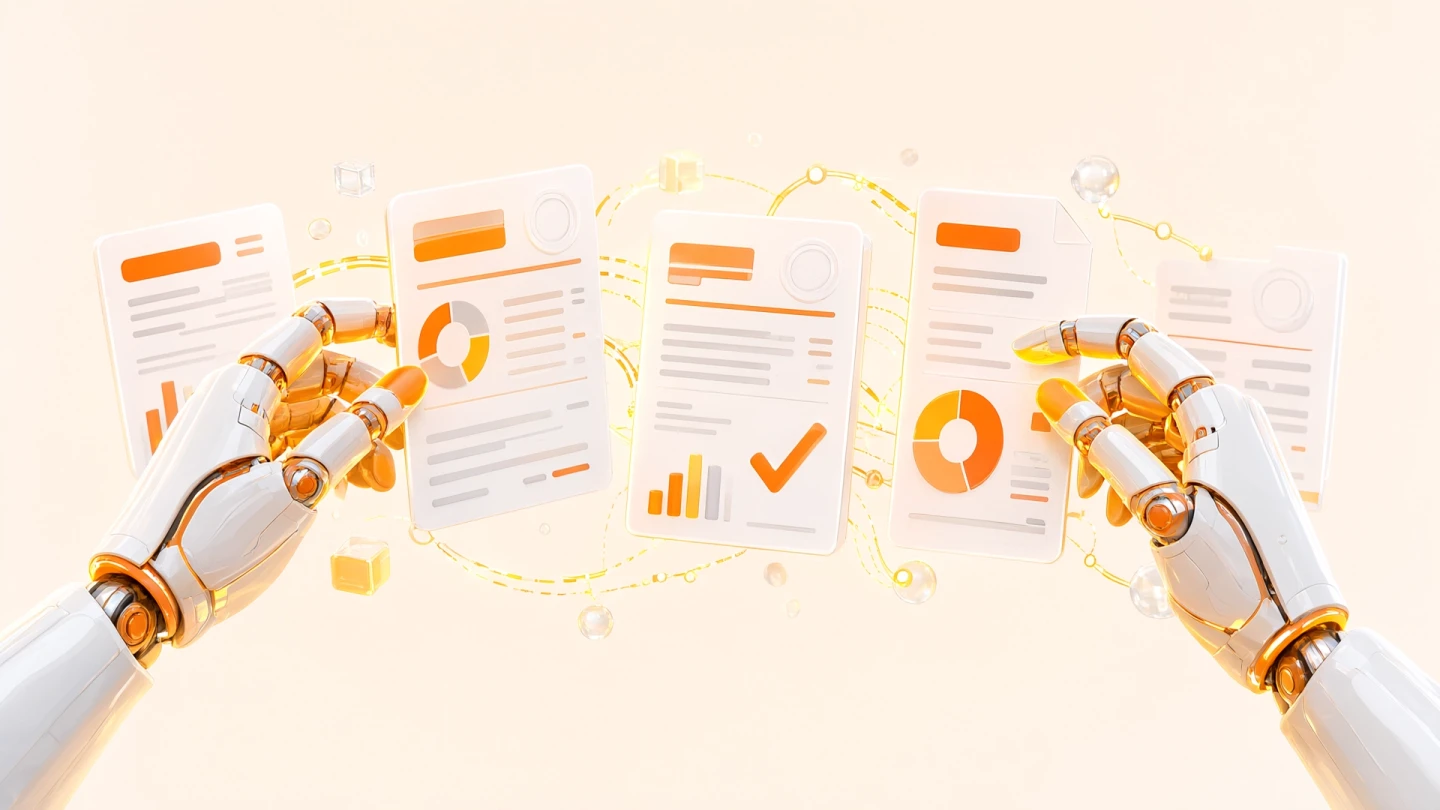
AI agent automates payment workflow
Coupa just announced impressive results from its Payment Batch Creation Agent: the system automatically ran 14 payment batches, processing 2,395 individual payments worth $20.1 million, in its first five weeks in production. More than 450 customers now use Coupa’s AI agents in production.
However, there’s an important caveat: the agent does everything up to the last step, but it still doesn’t have the final say. A human, or a separate system, has to approve the release before the money moves.
The boundary between preparing and sending payments
That distinction is the real story. An AI system reading an invoice or pulling a purchase-order number is handling information. But an agent deciding which approved invoices belong in a payment run, and preparing that batch for release, is participating directly in the transaction itself.
The economics back up that change. One Coupa customer said the agent cost about $27 in AI credits to run and saved an estimated $2,000 in staff time in a single week. Coupa also reported requisition cycle times falling by as much as 50%, though those figures are self-reported and may not hold for every customer.
The larger opportunity
The larger opportunity is not just processing an invoice faster. An agent can:
- Validate an invoice
- Confirm approvals are complete
- Check payment terms
- Find an early-payment discount
- Place the transaction into the right batch
All before a person looks at it. Humans may come to handle only the transactions that don’t fit that pattern: a supplier that suddenly changes its bank account, an invoice much larger than usual, or a new beneficiary nobody has paid before.
Mastercard and Visa build infrastructure for AI agents
That boundary between preparing a payment and having the authority to send it is already shaping how card networks build infrastructure for agents. Mastercard has built Verifiable Intent, a system that creates a tamper-resistant record of exactly what a person authorized an AI agent to do before that agent acts.
Pablo Fourez, Mastercard’s chief digital officer, said: “As autonomy increases, trust cannot be implied. It must be proven. And if something goes wrong, everyone needs facts, not guesswork.”
Visa is building a similar Trusted Agent Protocol, letting a merchant confirm it is dealing with an approved agent and cryptographically linking that agent to the payment details being used.
The hard problem: proving who did what
Coupa is also tackling that same accountability question from another angle: opening the door for third-party AI tools to reach directly into a company’s live financial data. Its latest release includes more than 30 connections spanning procurement, invoicing, contracts and expenses that let external AI systems read and act on that data without a company building a custom integration first.
Access still inherits whatever permissions a human employee already has, and remains auditable.
Global market implications
For enterprises with rigorous internal control processes, the “AI prepares, human approves” model will be highly valued. This aligns with corporate cultures that prioritize collective decision-making and clear accountability.
AI agents can handle the bulk of repetitive work, while humans focus on exception cases and final decisions. This improves efficiency while maintaining risk management.
Conclusion
The $20.1 million Coupa has processed this way is still small against global corporate payment volumes, but it shows the shift is no longer theoretical. Seventy percent of firms already use at least one AI tool to manage some part of their cash flow, and that number is only going to grow as more of the preparation work moves to software.
The future is not AI replacing humans in payments, but AI and humans collaborating: AI handles the bulk of repetitive work, humans focus on exceptions and final decisions.
Source: One AI Agent, 2,395 Payments. Still No Final Say — PYMNTS, August 21, 2026