

 Vietnamese
 Japanese
 English
Walmart finally accepts Apple Pay and Google Pay: A retail payment turning point
Fujigo Software Solutions
Member of M&C Holdings (Japan)
A symbolic shift
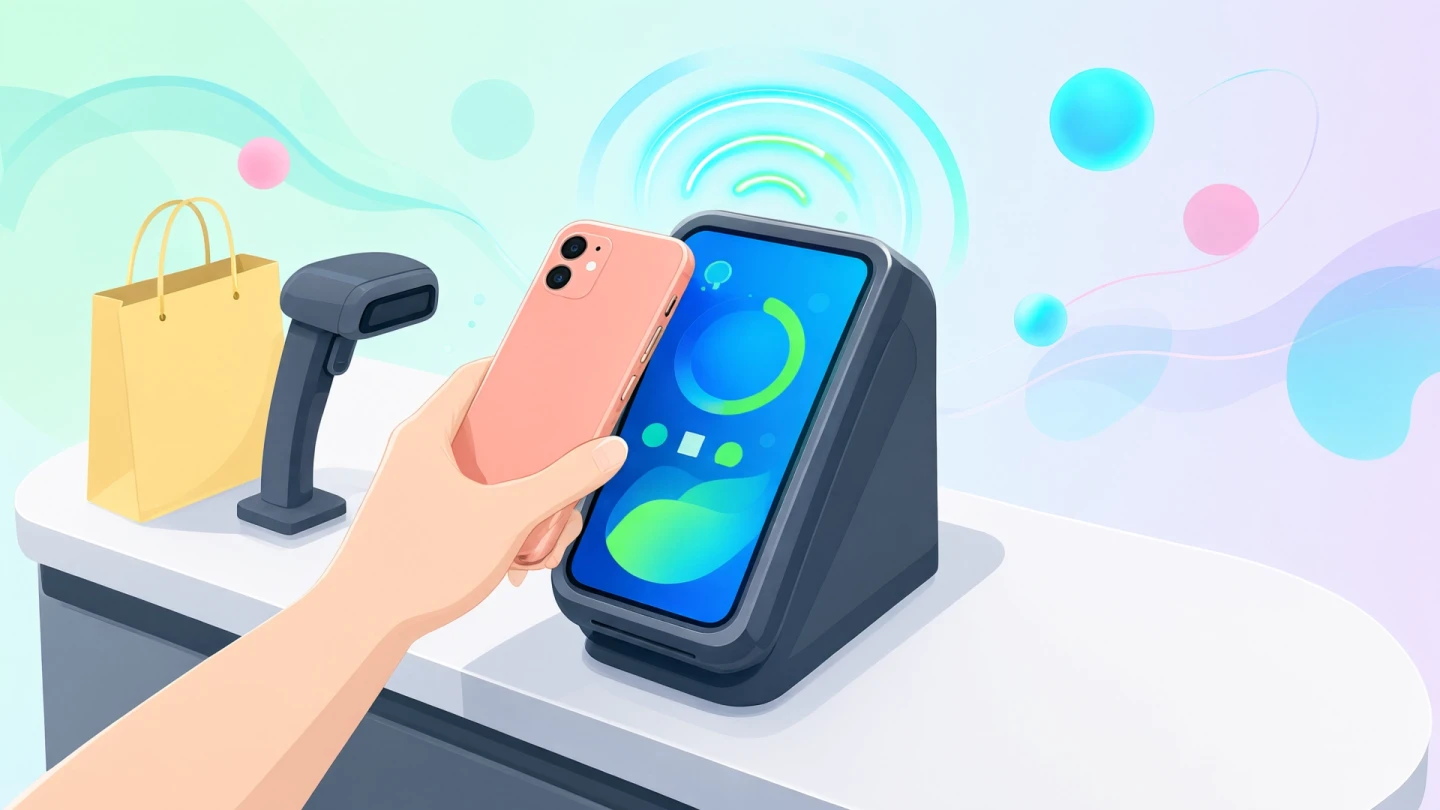
After years of refusal, Walmart — the world’s largest retailer with over 10,500 stores in the US — has finally officially accepted Apple Pay and Google Pay at all retail locations. This decision marks a major turning point in the mobile payment war in the US, where Walmart was once one of the biggest barriers to digital wallet adoption.
Previously, Walmart along with Target and other major retail chains developed their own payment system called Merchant Customer Exchange (MCX), which later became CurrentC. However, CurrentC never gained the traction needed and was eventually discontinued, paving the way for Apple Pay and Google Pay dominance.
Why did Walmart change its decision?
Consumer pressure
After the COVID-19 pandemic, contactless payment habits became the standard. American consumers increasingly expect to use Apple Pay or Google Pay everywhere. Walmart’s refusal to accept these payment methods had become a continuous source of customer complaints.
CurrentC’s failure
Walmart’s proprietary payment system MCX/CurrentC, launched with other retail partners, failed to compete with Apple Pay. CurrentC required customers to open a separate app, manually connect bank accounts, and couldn’t deliver the seamless experience of Apple Pay or Google Pay.
Competition with Amazon
Amazon Pay was already present at many Walmart stores through Amazon One (fingerprint scanning). To avoid falling behind in the modern payment race, Walmart needed an equivalent solution — and Apple Pay/Google Pay were the most natural choices.
Impact on the payment ecosystem
Accelerating contactless payment adoption in the US
The US has historically lagged behind other markets in contactless payments. In China, QR code payments became widespread in 2016. In Vietnam, MoMo and ZaloPay have tens of millions of users. But in the US — the world’s largest economy — mobile wallet payments still account for only about 30% of point-of-sale transactions.
Walmart accepting Apple Pay and Google Pay across 10,500+ stores will:
- Bring contactless payments to hundreds of millions of Americans weekly
- Create pressure forcing other retail chains to follow suit
- Increase mobile wallet transaction rates from 30% to 50%+ within two years
Shifting the balance of power
Walmart’s decision also changes the balance of power in the payments industry:
Card-issuing banks gain strength: As users shift to Apple Pay/Google Pay, card-issuing banks gain more control compared to card networks (Visa/Mastercard) and merchants.
Apple and Google collect more data: Each transaction through Apple Pay/Google Pay provides Apple/Google with information about user shopping behavior — extremely valuable data for advertising and product recommendations.
Merchants lose control of the experience: When accepting Apple/Google wallets, merchants lose the opportunity to interact directly with customers through their own payment apps.
Implications for Vietnam’s market
Lessons on digital payment adoption
Vietnam is in a much more advantageous position than the US regarding contactless payments. However, the Walmart story shows that even when technical infrastructure is ready, the deciding factors remain:
User experience must be superior: CurrentC failed not due to lack of technology, but because the experience was worse than Apple Pay. The lesson for Vietnamese startups: don’t just build features, build experiences.
Merchant adoption is key: Even if users want to use it, if merchants don’t accept it, it won’t succeed. Vietnam’s QR codes are solving this well through VietQR — a common standard for all banks.
Big retail determines trends: When Walmart changes, the entire industry changes. In Vietnam, if WinMart, Co.op Mart, or Circle K accepts a new payment method, it will create a domino effect.
Opportunities for cross-border payments
As Apple Pay and Google Pay become more popular in the US, American tourists visiting Vietnam will expect to pay with digital wallets. This creates opportunities for:
Integrating VietQR with Apple Pay/Google Pay: If international users can pay via Apple Pay at Vietnamese stores (through VietQR), tourism and commerce will be boosted.
Partnerships with international platforms: Vietnamese banks can issue virtual cards on Apple Pay/Google Pay, allowing international users to pay easily.
Conclusion
Walmart’s decision to accept Apple Pay and Google Pay is not just an internal policy change — it’s a signal that contactless payments have become an irreversible standard in global retail.
For Vietnam, this is an opportunity to accelerate digital payment adoption, especially as international tourism recovers strongly. Vietnamese retail businesses should see this as a reminder: in the digital payment era, payment experience is no longer nice-to-have but a competitive advantage.
Source: Walmart to finally start accepting Apple Pay and Google Pay — TechCrunch, August 2026